Creating a comfortable and productive home office is essential in today’s world where many people work remotely or spend more time on personal projects at home. A well-designed workspace can improve focus, reduce stress, and increase efficiency. Whether you have a dedicated room or just a small corner, these tips will help you transform your area into a cozy and effective hub for work.
1. Choose the Right Location
Finding the best spot for your home office sets the foundation for your workspace. Ideally, pick a quiet area with minimal distractions. If possible, use a room with a door to separate work from home life.
– Consider natural light: Position your desk near a window to take advantage of daylight, which can boost mood and alertness.
– Noise control: Avoid noisy places like next to the TV or kitchen. Use rugs or curtains to soften sound if needed.
2. Invest in a Comfortable Chair and Desk
Comfort is key when working for long hours. An ergonomically designed chair that supports your back helps prevent discomfort and pain.
– Desk height: Your desk should allow your arms to be at a 90-degree angle when typing.
– Chair features: Look for adjustable height, lumbar support, and cushioned seating.
– Standing options: Consider a sit-stand desk or a desk converter to alternate positions throughout the day.
3. Organize for Efficiency
Clutter can distract and slow you down. Keep your home office tidy with smart storage solutions.
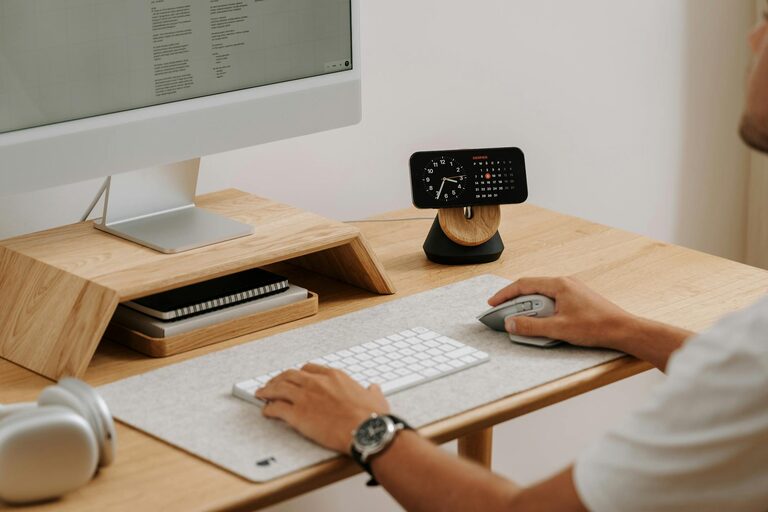
– Desk organizers: Use trays, pen holders, and drawer dividers for small items.
– Shelving: Floating shelves or bookcases keep important materials close without taking desk space.
– Cable management: Use clips or wells to keep cords neat and avoid tangling.
4. Personalize Your Workspace
Adding personal touches can make your home office feel inviting and inspiring.
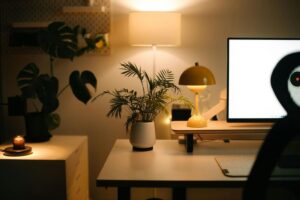
– Decorate with plants: Small indoor plants improve air quality and add a lively touch.
– Artwork and photos: Hang or place images that motivate you or bring joy.
– Color choices: Choose calming colors like soft blues or greens for walls and accessories to create a peaceful atmosphere.
5. Prioritize Good Lighting
Proper lighting reduces eye strain and enhances focus.
– Layered lighting: Combine ambient (general), task (focused), and accent lighting.
– Desk lamp: Adjustable lamps help direct light on your work without glare.
– Avoid screen glare: Position your screens so that windows or bright lights don’t create reflections.
6. Manage Technology Efficiently
A smooth technology setup keeps your work running without interruptions.
– Reliable internet: Ensure strong Wi-Fi or use a wired connection for stability.
– Charging stations: Keep all your devices’ chargers in one easy-to-reach place.
– Minimal distractions: Use apps or features to block notifications during focused work time.
7. Create Boundaries Between Work and Home Life
When working at home, it’s important to separate your workspace from relaxation areas.
– Work hours: Set clear start and end times to your day.
– Workspace boundaries: Keep work materials out of sight when not working to maintain mental separation.
– Break area: Have a separate spot for breaks to recharge without mixing work and rest.
8. Add Comfort Features
Small comforts can make a big difference in how pleasant your workspace feels.
– Cozy textiles: Use a soft throw blanket or cushion on your chair.
– Temperature control: Have a fan, heater, or window nearby to adjust the temperature as needed.
– Sound: Play background music or white noise if it helps you concentrate.
—
By thoughtfully designing your home office, you create a space that supports both productivity and well-being. With the right balance of comfort, organization, and personalization, working from home becomes not just efficient but enjoyable. Start with the basics and gradually add elements that make your workspace uniquely yours.