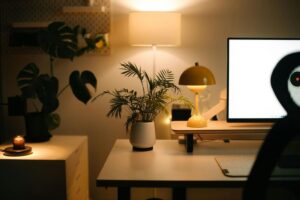
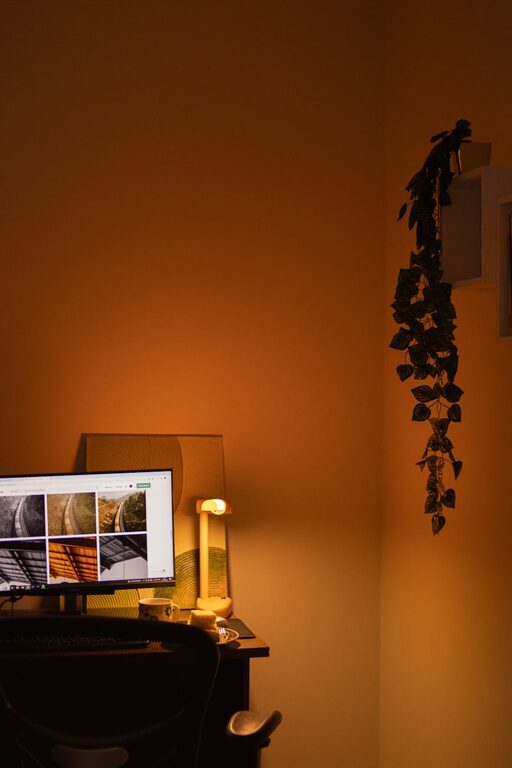
Creating a cozy and inviting home office space is essential for maintaining focus, motivation, and comfort during your workday. Whether you work remotely full-time or occasionally need a dedicated area for tasks, designing a space that feels welcoming can greatly improve productivity and well-being. In this post, we’ll explore practical tips and ideas to help you create a home office that’s both comfortable and functional.
Choose the Right Location
Finding the right spot in your home is the first step. Ideally, your home office should be in a quiet area with minimal distractions.
– Natural Light: Position your desk near a window if possible. Natural light boosts mood and reduces eye strain.
– Away from Noise: Select a space away from TV, kitchen noise, or heavy foot traffic.
– Dedicated Space: Even a small corner or nook can work if it’s reserved only for work.
Invest in Comfortable and Ergonomic Furniture
Comfort is key when setting up a workspace you’ll spend hours in.
– Desk: Choose a desk with enough surface area for your computer, paperwork, and any tools you need.
– Chair: Invest in an ergonomic chair that supports good posture. Adjustable height and lumbar support improve comfort.
– Standing Options: Consider a sit-stand desk or a standing desk converter to alternate positions throughout the day.
Personalize Your Workspace
Adding personal touches makes your office feel inviting and boosts motivation.
– Colors: Use calming or inspiring colors that suit your taste, whether in paint, curtains, or accessories.
– Artwork: Hang artwork, photographs, or inspiring quotes that motivate you.
– Plants: Incorporate greenery to improve air quality and add life to the space.
Organize and Declutter
A tidy workspace helps maintain focus and efficiency.
– Storage Solutions: Use shelves, filing cabinets, or decorative baskets to keep supplies and paperwork organized.
– Cable Management: Use clips or sleeves to reduce cable clutter and keep cords out of sight.
– Daily Declutter: Make it a habit to tidy your desk at the end of each workday, putting away unnecessary items.
Optimize Lighting
Good lighting is essential for comfort and productivity.
– Layered Lighting: Combine natural light with overhead lights and task lamps to reduce eye strain.
– Adjustable Task Lighting: Use a desk lamp with adjustable brightness and direction.
– Warm-Toned Bulbs: Warm lighting can create a cozy atmosphere, but avoid overly dim settings that make it harder to see.
Add Comfort Elements
Small touches can make your office feel more inviting and reduce work-related stress.
– Soft Textiles: Add a comfy throw blanket, seat cushion, or a small rug underfoot.
– Temperature Control: Use a fan, heater, or humidifier to maintain a comfortable temperature.
– Aromatherapy: Consider scented candles or diffusers with calming scents like lavender or eucalyptus.
Set Up Technology Thoughtfully
Ensure your tech setup supports your workflow without causing frustration.
– Monitor Height: Position your monitor at eye level to reduce neck strain.
– Keyboard and Mouse: Use ergonomic models to increase comfort.
– Reliable Internet: Make sure your home Wi-Fi is strong and fast enough for your needs.
Create Boundaries Between Work and Home
Designing clear physical and mental boundaries helps separate work time from personal time.
– Dedicated Work Hours: Keep consistent working hours to develop routine.
– Signage or Visual Cues: Some people find that a small sign or even closing a door signals “work mode.”
– Break Areas: If possible, have a separate space to step away during breaks.
Keep Inspiration Handy
Having tools to spark creativity and motivation nearby can help during challenging days.
– Notebooks or Whiteboards: Use these for brainstorming or jotting down ideas quickly.
– Inspiring Books or Objects: Surround yourself with items that encourage creativity.
– Music or Ambient Sound: Consider background music or nature sounds to improve focus.
Final Thoughts
Creating a cozy and inviting home office doesn’t require a large budget or a big renovation. With thoughtful choices about location, furniture, lighting, and personalization, you can design a workspace that supports your productivity and well-being. Remember, the best home office is one where you feel comfortable, organized, and inspired to do your best work every day.