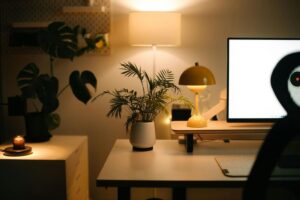
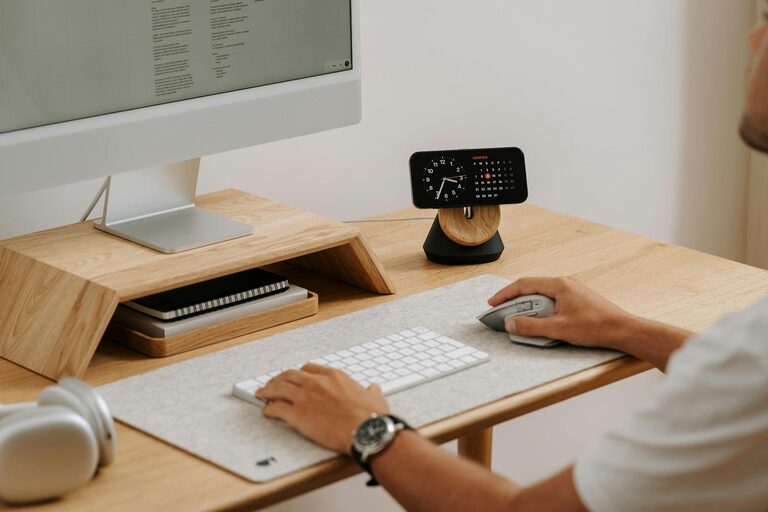
Creating a relaxing home office environment is essential for staying focused, motivated, and stress-free throughout your workday. Whether you work remotely full-time or occasionally check emails from home, a thoughtfully designed workspace can make a significant difference in your comfort and efficiency. In this blog post, we will explore practical tips and ideas to help you create a calm, organized, and inspiring home office.
Why a Relaxing Home Office Matters
Working from home offers flexibility but can also blur the boundaries between work and personal life. A relaxing home office helps you maintain a healthy work routine by:
– Encouraging focus and concentration
– Reducing feelings of stress and overwhelm
– Enhancing creativity and motivation
– Supporting good posture and ergonomics
By making your workspace comfortable and calming, you create a positive environment that benefits both your mind and body.
Choosing the Right Location
Find a Quiet Space
If possible, select a room or corner of your home that is quiet and away from distractions like television or heavy foot traffic. Consistent focus is easier in a peaceful setting. If space is limited, consider using room dividers or even noise-canceling headphones to minimize background noise.
Maximize Natural Light
Natural light can improve mood and productivity. Position your desk near a window to take advantage of daylight. If natural light is limited, use soft white lighting that mimics sunlight to reduce eye strain and create a warm atmosphere.
Organizing Your Workspace
Declutter Regularly
A cluttered workspace can lead to a cluttered mind. Keep only the essentials on your desk and store other items neatly in drawers or shelves. Regularly tidying your area helps maintain a sense of calm and order.
Use Functional Storage
Invest in storage solutions like filing cabinets, desk organizers, or floating shelves to keep documents and supplies organized. Label containers and folders for easy access, which reduces time spent searching and frustration.
Personalize Thoughtfully
Add a few personal touches like photos, a plant, or artwork to make the space feel welcoming. However, avoid overdecorating; too many items can become distracting.
Prioritizing Comfort and Ergonomics
Choose a Supportive Chair
An ergonomic chair that supports your lower back can prevent discomfort and promote good posture. Look for adjustable features so you can customize it to your body.
Position Your Desk Correctly
Ensure your desk height allows your arms to rest comfortably at a 90-degree angle when typing. Your monitor should be at eye level to avoid neck strain.
Include Comfortable Accessories
Consider accessories like a footrest, wrist pads, or an adjustable keyboard tray to enhance comfort during long work sessions.
Incorporating Calming Elements
Use Soothing Colors
Colors influence mood, so opt for calming shades like soft blues, greens, or neutrals in your workspace. You can paint walls or add accents with cushions, rugs, or curtains.
Add Plants
Indoor plants not only improve air quality but also create a refreshing and peaceful environment. Choose low-maintenance plants such as succulents or snake plants for easy care.
Include Aromatherapy
A subtle diffuser with essential oils like lavender or eucalyptus can promote relaxation and help reduce stress throughout the day.
Establishing a Routine
Set Clear Work Hours
Define your working hours and stick to them. This helps create a boundary between work time and personal time, reducing burnout.
Take Regular Breaks
Incorporate short breaks into your schedule to stretch, hydrate, and rest your eyes. Using the Pomodoro Technique—working 25 minutes followed by a 5-minute break—can improve focus.
Create a Start-of-Day Ritual
Begin each workday with a routine that signals the start of work, such as making a cup of tea or reviewing your to-do list. This helps shift your mindset into “work mode.”
Minimizing Digital Distractions
Manage Notifications
Turn off non-essential notifications on your phone and computer during work periods to maintain concentration.
Use Productivity Tools
Apps for task management, time tracking, and website blockers can help you stay organized and avoid digital distractions.
Keep Cables Tidy
Use cable organizers to keep cords and chargers neat. A clean cable setup reduces visual clutter and prevents accidents.
Enhancing Creativity and Inspiration
Create a Vision Board
Display images, quotes, or goals that inspire you to stay motivated and focused.
Play Background Music
Soft instrumental music or nature sounds can boost creativity without interrupting your focus.
Switch Up Your Workspace
If you feel stuck, changing your seating position or rearranging your desk can provide a fresh perspective.
—
Creating a relaxing home office environment is about combining practicality with personal comfort. By applying these tips, you can design a workspace that supports your wellbeing and productivity. Remember: small changes can have a big impact. Take your time to find what works best for you and enjoy a calm, focused workday from home.